
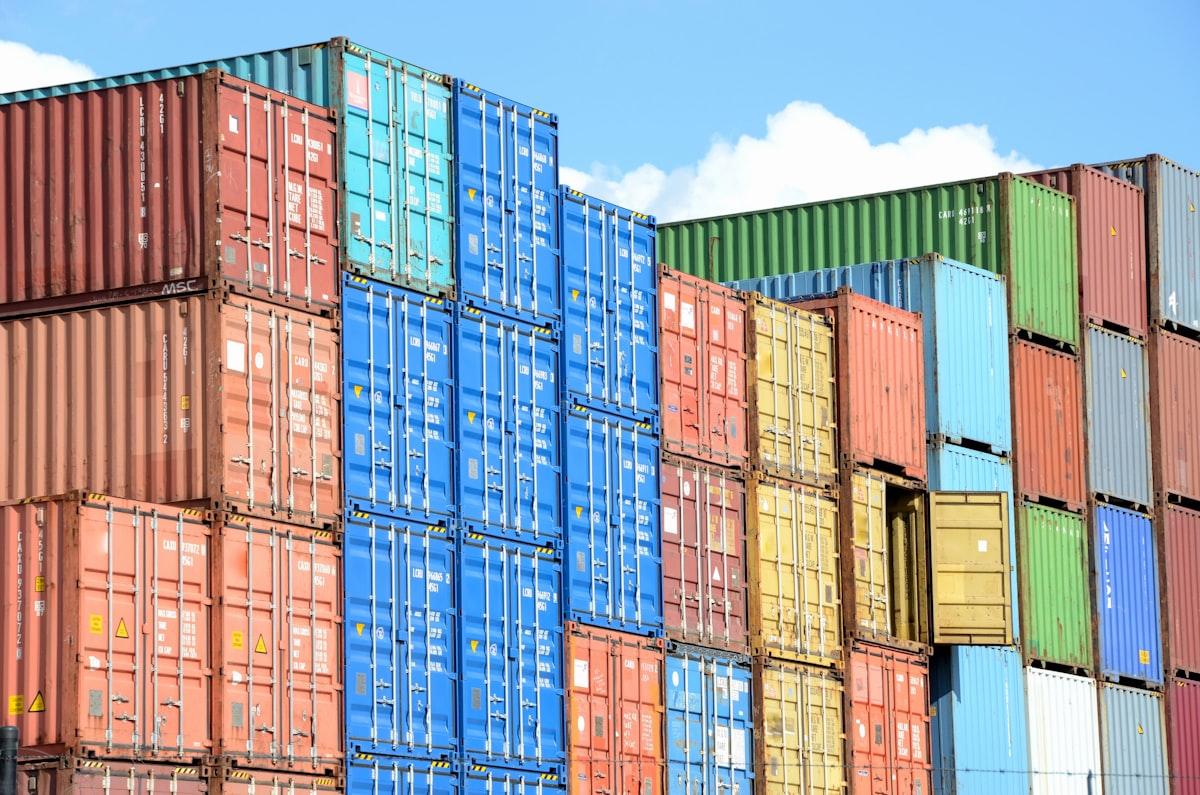
Average American tariffs on imported goods sit at roughly 14 percent in May 2026, up from about 2.5 percent in 2017. That is the highest US tariff level since the 1930s. The policy goal, as stated by the administrations of both parties that built this regime up, is to bring manufacturing back to American soil and to punish trading partners, primarily China, for unfair practices. Whether either goal has been achieved is being argued about. Who has been paying for the policy in the meantime is not.
The Tax Foundation, a center-right think tank, estimates that current tariff levels cost the average American household between $1,200 and $1,800 per year in higher prices. The Peterson Institute, more center-left, puts the number closer to $2,000. The New York Fed has published research showing that more than 90 percent of tariff costs are passed on to American buyers, either as higher prices for imported goods or as higher prices for domestic goods whose foreign competition has been priced up. The Congressional Budget Office, which is nonpartisan by statute, said in March that tariffs collected in fiscal year 2025 added roughly $230 billion to federal revenue. That money came from American consumers and American businesses, not from Beijing.
The political case for tariffs has always rested on the idea that they get paid by the foreign country exporting the goods. The actual receipts say the cost lands on the American family at the cash register and on the American small business buying parts from overseas. Trade economists from both parties have been saying this for years. The data has now been collected long enough that the disagreement is essentially over.
That does not mean tariffs are wrong as a tool. There are real national-security reasons to want certain industries back on US soil, particularly semiconductors and key pharmaceutical ingredients. There are real grievances against Chinese industrial policy. The question is whether the current tariff regime is doing what it was sold to do, or whether it has become a sales tax with a flag wrapped around it. The honest answer is closer to the second than the first.
If the goal is bringing manufacturing home, the policy has produced some movement, mostly in semiconductors and electric vehicle batteries where the tariffs are paired with large subsidies. Outside those sectors, the manufacturing share of GDP is essentially flat from where it was in 2019. The cost to working families, however, is not flat. It has gone up every year. That tradeoff is worth a real conversation, the kind that does not pretend the money is coming from somewhere it isn’t.