
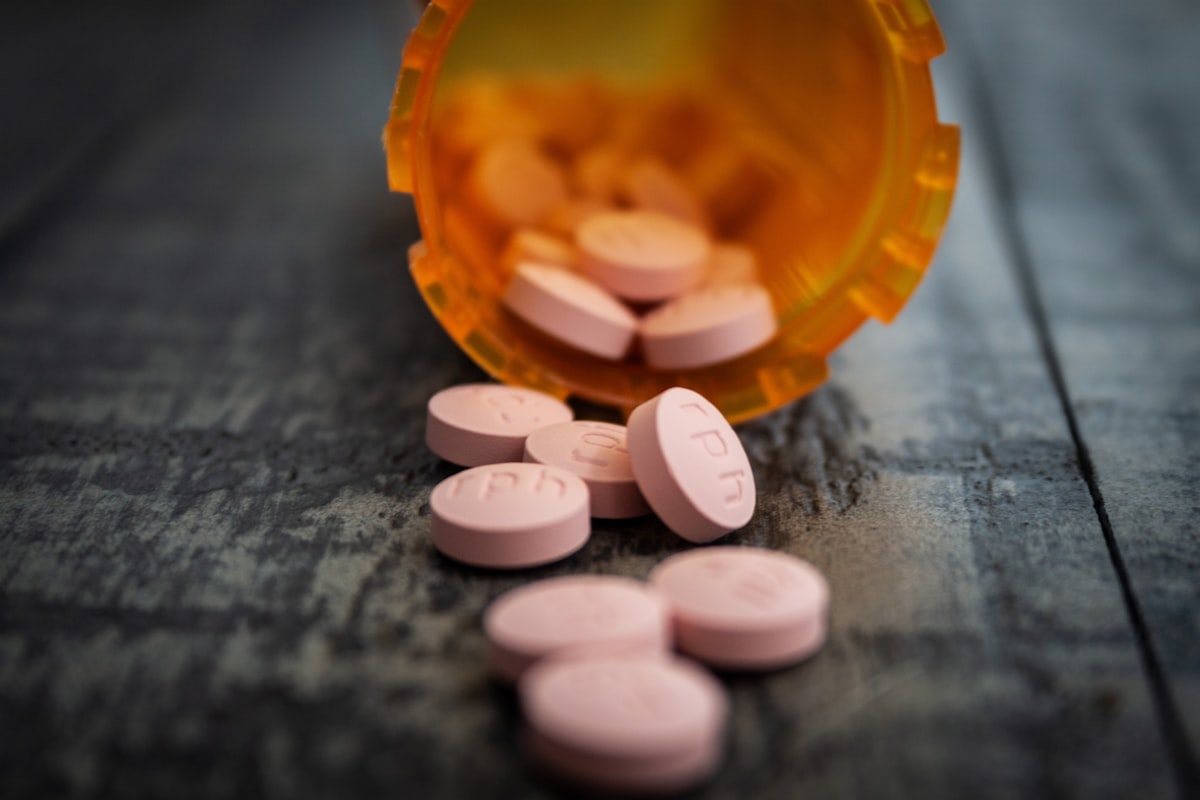
About 85,000 Americans died of drug overdoses in 2025, according to preliminary CDC data. That’s down from the peak of 112,000 in 2023, which itself was driven hard by fentanyl mixed into the illicit drug supply. The decline is real and worth noting. It is also a number that should not be confused with a solved problem. Eighty-five thousand people is still more than the total US deaths in the Vietnam War, happening every year.
The geography of the crisis has shifted over the decades. The original prescription opioid wave hit rural and Appalachian communities hardest in the 2000s, places where physical labor was common and pill mills found receptive markets. When the crackdown on prescription painkillers came in the 2010s, many people who had become dependent switched to heroin. The fentanyl surge that followed starting around 2016 spread the crisis into suburban and urban areas while deepening it in rural ones. Today, rural counties in West Virginia, Kentucky, Tennessee, Ohio, and New Mexico consistently show overdose rates two to three times the national average.
Treatment infrastructure in rural America remains the central gap. The Health Resources and Services Administration estimates that roughly 30 million Americans live in counties designated as Health Professional Shortage Areas for mental health and substance use treatment. Many rural counties have no licensed addiction medicine specialist at all. Medication-assisted treatment using buprenorphine or methadone, which has the strongest evidence base for opioid use disorder, requires a prescribing provider or a licensed clinic. In counties with none, people are often driving two or three hours each way to access treatment, or not going at all.
The federal response has included expanding telehealth prescribing authority, which was a meaningful change that allowed providers to prescribe buprenorphine via video call rather than requiring in-person visits. That change, originally a pandemic-era waiver, was made permanent in 2025 and has extended treatment reach in rural areas measurably. The SUPPORT Act funding from 2018 also sent significant dollars toward state-level treatment expansion. The results have been positive but partial: the rural access gap has not closed, it has narrowed.
Naloxone distribution through pharmacies, schools, and community organizations has also expanded and likely contributes to lives saved even among people who haven’t entered formal treatment. The harder problem remains convincing people to seek treatment in communities where addiction still carries significant stigma, and where the underlying conditions, job loss, chronic pain, social isolation, that feed addiction haven’t improved much.